Introduction
Choosing a backpack for a young child might seem like a straightforward task, but it’s actually an important decision that can affect their comfort, posture, and enthusiasm for school. Parents and guardians often find themselves weighing different options—considering size, durability, design appeal, and practicality—when shopping for their child’s first backpack or upgrading to something new.
The market offers numerous styles aimed at different age groups, from toddler-friendly designs to more structured options for older elementary students. One category that appeals to many families is character-themed backpacks that incorporate recognizable brands and storytelling elements. These bags do more than just carry books and supplies; they often serve as a way for children to express their interests and feel excited about heading to school.
This article explores the characteristics, practical applications, and considerations surrounding smaller-capacity backpacks designed for preschool and early elementary-aged children. Whether you’re preparing for your child’s first day of school or looking for a replacement for an outgrown bag, understanding what different backpack options offer can help guide your decision-making process.
Understanding Capacity: What 12L Really Means
When shopping for children’s backpacks, capacity is often measured in liters—a metric that might seem abstract at first. A 12-liter capacity is considered a compact size, specifically designed with younger children in mind rather than older students who need to carry larger textbooks or multiple folders.
To put this in perspective, a 12L backpack typically holds:
- A light jacket or sweater
- A small lunch container
- A water bottle
- A few notebooks or a folder
- Pencils and small supplies
- A plush toy or comfort item
This size is intentional. Young children, particularly those in preschool through early elementary grades, don’t typically need to carry as much as older students. Their daily requirements usually include a change of clothes, a snack, perhaps a special project or two, and basic supplies. Providing a backpack that matches these actual needs—rather than choosing an oversized adult-style bag—helps maintain proper proportions for a small child’s developing spine and shoulders.
The 12-liter measurement also translates to a more manageable weight capacity, which is crucial for youngsters. When a backpack is the right size for a child’s frame and needs, it reduces the risk of postural strain that can result from carrying oversized bags.
Design Elements and Practical Features
Backpacks marketed for young children often incorporate specific design features intended to enhance both functionality and durability. Understanding these elements helps parents recognize what they’re paying for when considering different options.
Compartmentalization and Organization
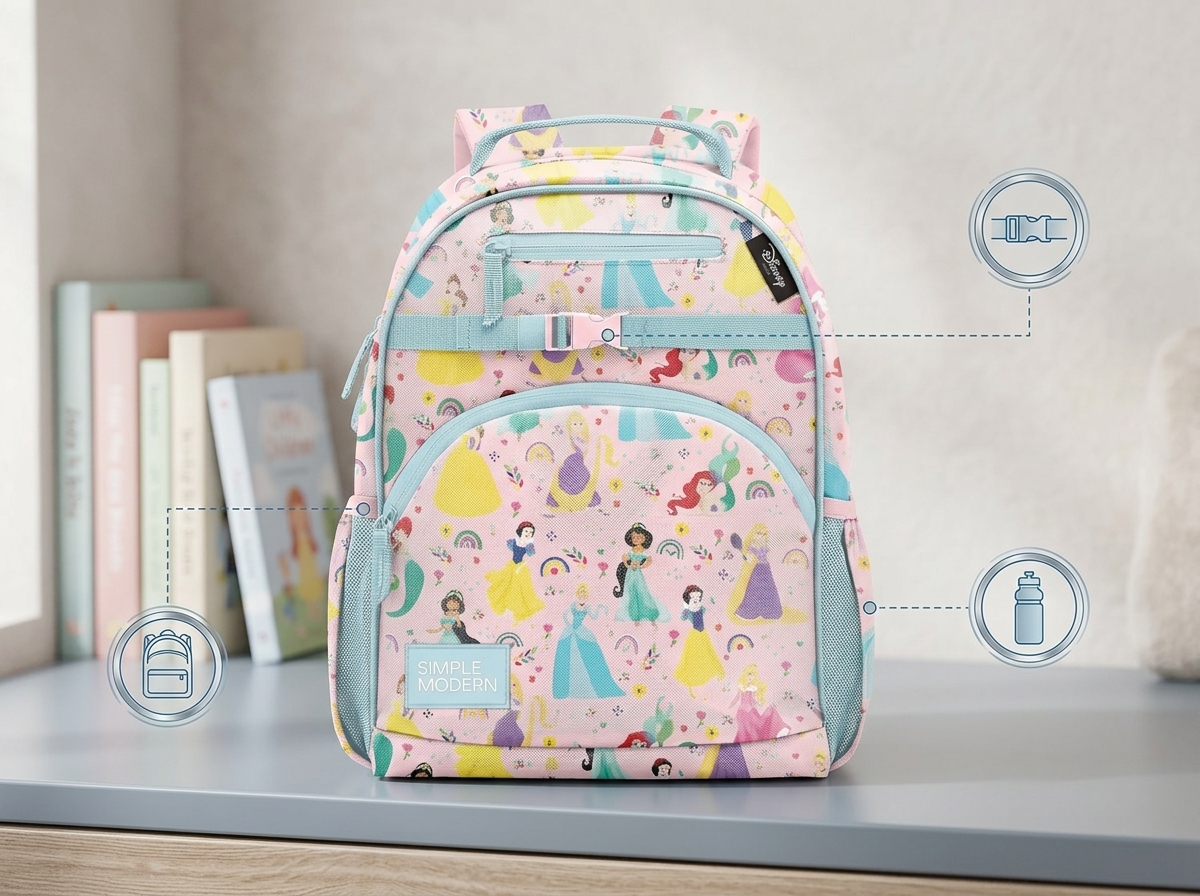
Most quality children’s backpacks include multiple pockets and sections, even if the overall bag is compact. Front pockets provide quick access to frequently needed items like tissues, hand sanitizer, or small toys without requiring the child to open the main compartment. Side pockets typically accommodate water bottles, which helps keep moisture away from books and papers. Interior organization often includes a designated spot for smaller items, reducing the likelihood of lost supplies.
For preschoolers and early elementary students, this organization serves an additional purpose: it teaches children where different items belong, supporting the development of organizational skills and independence.
Carrying Options
Most backpacks in this category feature padded shoulder straps that can be adjusted as the child grows. The padding is important because it distributes weight more evenly across the shoulders rather than creating pressure points. Some designs include a handle at the top, which comes in handy when an adult needs to grab the bag quickly or when the child needs assistance carrying it.
A chest strap—sometimes called a sternum strap—helps stabilize the backpack and prevents it from swinging side to side when the child moves. This feature is particularly valuable for younger children who may still be developing their balance and coordination.
Material Selection
Backpacks for young children are typically constructed from durable synthetic materials like polyester or nylon, chosen for their ability to withstand frequent use, spills, and active play. These materials can usually be wiped clean without damage, which matters when dealing with young children who might encounter dirt, food, or other everyday messes.
The base of many children’s backpacks features reinforced padding or thicker material to provide structure and protect contents from bumps and impacts. This structural integrity helps the bag maintain its shape over time rather than collapsing or developing permanent creases.
Character Appeal and Emotional Connection
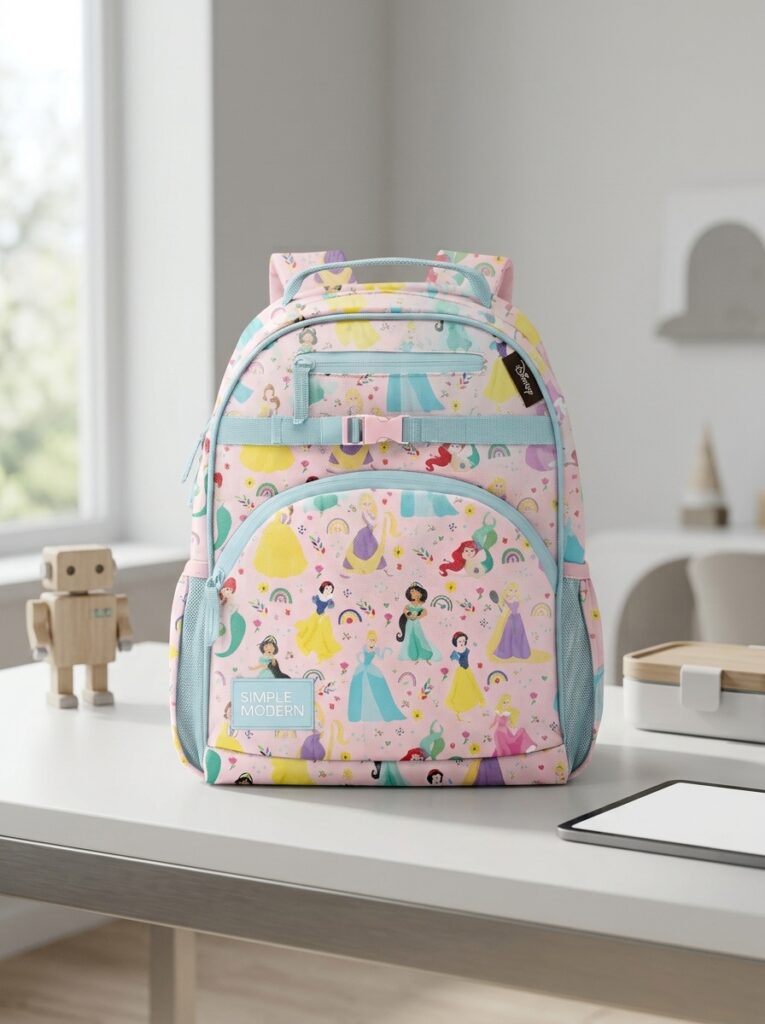
A significant factor in children’s backpack selection involves design and theming. Bags featuring characters from popular stories, movies, and media franchises often resonate more strongly with young children than generic designs. This isn’t superficial—the emotional connection a child feels toward their backpack can genuinely influence their willingness to use it and their overall school readiness.
Princess-themed designs hold particular appeal for many young children. These designs often incorporate:
- Bright, cheerful color palettes featuring purples, pinks, and pastels
- Recognizable character imagery that children connect with stories they enjoy
- Inspirational or magical themes that make everyday activities feel special
The “rainbows” element in product names typically refers to the color scheme and visual design rather than literally featuring rainbows throughout. This aesthetic choice tends to appeal to a wide range of children, not just those who fit traditional gendered preferences. The brightness and optimism of these designs can make the practical task of carrying school supplies feel more enjoyable for young learners.
Appropriate Age Range and Development
The sizing and design of a 12L backpack specifically suits children in certain developmental stages. This capacity and style typically work well for:
Preschool-Aged Children (Ages 3-4)
At this age, children attend school for shorter periods and bring home fewer items. A compact backpack matches their actual carrying needs. The lighter overall weight is appropriate for children whose skeletal systems are still developing. The smaller proportions also ensure the backpack fits their frame properly—an oversized adult-style bag can be awkward and uncomfortable for a preschooler.
Early Kindergarten (Ages 4-5)
Many kindergarteners also benefit from smaller backpacks. While some kindergarten programs require more supplies, a 12L capacity can still accommodate the typical daily items, and the proper fit remains important for this age group.
Transition to Early Elementary
As children move into grades one and two, they may begin transitioning to larger backpacks as their school requirements increase. However, younger or smaller children in early elementary might still find a 12L bag perfectly adequate, depending on their school’s requirements and the child’s individual size.
Practical Applications and Daily Use
Children use their backpacks differently than adults use theirs. Understanding these usage patterns helps clarify why certain backpack designs work better for young learners.
Morning Routine
A child’s backpack becomes part of the morning ritual. Having a bag that’s lightweight and easy to manage reduces friction during already-busy mornings. Older siblings can help younger children put on properly-fitted backpacks more easily, and children can independently manage appropriately-sized bags as they develop autonomy.
School Day Carry
During the school day, the backpack sits in a cubby or cubicle most of the time. It’s mainly used for transitioning between school and home. The child carries it during drop-off and pick-up, and when moving between classrooms or outdoor activities. A proper fit ensures these transitions are comfortable and don’t cause strain.
After-School Activities
Many children move from school directly to after-school care, activities, or home. The backpack goes along, carrying any papers sent home, special items created that day, or supplies needed for the afternoon.
Weekend Adventures
Outside of school days, many families use their children’s backpacks for small adventures—a trip to the park, a visit to the library, or an outing with friends. The compact size makes it suitable for these casual uses without being so large that it dominates a child’s physical presence.
Material Care and Maintenance
Understanding how to care for a children’s backpack extends its usable lifespan and keeps it functioning well.
Cleaning and Stain Removal
Most synthetic backpack materials can be spot-cleaned with a damp cloth and mild soap. This simple cleaning method handles most everyday messes—spilled juice, dirt from outdoor play, or food residue. For more thorough cleaning, some backpack materials can be hand-washed with cool water and air-dried.
Checking Hardware and Seams
Regularly inspecting the backpack’s zippers, straps, and stitching helps catch wear early. Tight stitching and smooth-operating zippers are important for keeping contents secure. If stitching begins to come loose, applying a small amount of fabric glue can prevent further damage.
Storage During Off-Season
When a child outgrows a backpack or it’s not in regular use, storing it in a clean, dry location preserves its condition. Keeping it flat rather than stuffed helps maintain its shape. Some families pass backpacks to younger siblings, and proper storage makes this easier.
Comparison with Other Backpack Categories
Understanding where a 12L backpack fits within the broader landscape of children’s carrying options provides helpful context.
Smaller Bags vs. Larger Packs
Some parents consider even smaller bags, like mini backpacks or crossbody carriers designed for toddlers. These are appropriate for very young children still in multiple daily naps or for part-time preschool programs. However, they offer limited capacity for school-day essentials. A 12L backpack provides more storage while still being appropriately-sized for young children.
On the other end, many elementary-school-aged children use 15-20L backpacks or larger. These accommodate the increased materials of full-day school programs, homework requirements, and more varied daily needs. However, these larger sizes can overwhelm a preschooler’s small frame.
Structured vs. Soft-Sided Designs
Backpacks vary in how much internal structure they provide. Some designs feature rigid panels on the back and base to provide shape and protection. Others use softer materials throughout. For young children, moderate structure (not excessive rigidity) works well—it provides shape and durability without being uncomfortable against a small back.
Specialty vs. General Purpose
Some backpacks are designed for specific activities—hiking, sports, or specialized school programs. A general-purpose school backpack works for most children’s daily needs without overspecializing. Character-themed designs are often general-purpose bags suitable for whatever your child’s school day involves.
Practical Considerations for Parents
Beyond the backpack itself, several factors influence whether a particular bag works well for your family.
Child’s Size and Build
Before purchasing, consider your specific child’s height and build. A 12L backpack is sized with younger or smaller children in mind. If your child is particularly tall or large for their age, you might find they need something slightly larger for comfort and proportion.
Attention to Fit
Proper fit means the backpack’s top sits just below the shoulders, and the bottom rests above the child’s lower back or hip area. The straps should be snug enough to keep the bag close to the body but not so tight that they dig into shoulders. If straps are too long or can’t be adjusted properly, the bag might not fit well.
Washing and Care Capability
Consider your willingness and ability to maintain the backpack. If you prefer low-maintenance items that can be tossed in the washing machine, check care instructions carefully. Some materials require hand-washing only.
Durability and Warranty
Some manufacturers stand behind their products with warranties or replacement guarantees. Understanding what support is available if a backpack fails prematurely can factor into your decision.
Storage Space
Consider where the backpack will be stored when not in use. A compact 12L backpack takes up less space than larger options, which matters if your home has limited storage available.
Frequently Asked Questions
Q: At what age is a 12L backpack appropriate?
A: A 12L backpack generally suits children from about age 3 to 6, though individual variation matters. Some younger early elementary students also prefer the smaller size. Consider your child’s size and school requirements rather than relying solely on age.
Q: Is 12 liters enough for full-time school?
A: For preschool and part-time programs, 12L is usually adequate. Full-day kindergarten varies—some programs fit within this capacity, while others might require something slightly larger. Check with your specific school about typical daily requirements.
Q: How do I know if a backpack fits my child properly?
A: When worn, the top of the backpack should align with the tops of your child’s shoulders, and the bottom should sit at or just above the waist. Straps should be snug but not restrictive. Your child should be able to stand and walk comfortably while wearing it.
Q: Can children with sensory sensitivities use backpacks comfortably?
A: Some children find certain materials or strap configurations uncomfortable. If your child has sensory sensitivities, look for backpacks with soft lining and padded straps, and let them help test different options before purchasing if possible.
Q: Are character-themed backpacks durable enough for daily use?
A: Quality character-themed backpacks are constructed with the same durable materials as other children’s backpacks. The character imagery is printed or embroidered on the surface but doesn’t affect the structural integrity of the bag itself.
Q: What items should I actually pack in my child’s school backpack?
A: This depends on your school’s requirements, but typically includes: a change of clothes, snacks, water bottle, tissues, hand sanitizer, small comfort items, and any special projects. Ask your child’s teacher for a specific packing list.
Q: How often should I clean the backpack?
A: Spot-clean as needed when spills or messes occur. A more thorough cleaning once a month or at the end of each season is typically sufficient for regular daily use.
Q: Should my child wear both straps or is one strap okay?
A: Both straps should be worn. Using only one strap creates uneven weight distribution and can contribute to postural issues over time. Wearing both straps keeps the backpack centered on the child’s back.
Q: How long will a 12L backpack last?
A: With proper care, a quality backpack typically lasts several years. Many families use the same bag for multiple children or pass it along as their child grows into larger sizes.
Making Your Choice
Selecting a backpack for a young child involves balancing several factors: the child’s specific age and size, your school’s requirements, the daily amount of items to be carried, your preferences regarding design and character themes, and the backpack’s durability and care requirements.
A 12L capacity backpack represents a thoughtful choice for families with younger children. It provides sufficient room for daily school essentials without creating the burden of carrying an oversized, heavy bag. When designed with children’s ergonomic needs in mind—including proper strap padding, appropriate weight distribution, and good compartmentalization—this size category works well for the practical demands of early childhood education.
Character-themed designs add an element of joy and personal connection to what is fundamentally a practical necessity. When children feel excited about their backpack, they’re more likely to be enthusiastic about school itself. This emotional engagement, combined with proper sizing and functionality, creates a positive experience around school preparation and daily transitions.
The key is matching the backpack to your specific child’s needs rather than defaulting to what older children use or what seems most popular. Parents who take time to consider their child’s actual size, their school’s requirements, and their family’s lifestyle often find that a compact, well-designed backpack serves their child excellently.
Conclusion
A child’s backpack represents more than just a container for school supplies—it’s part of their daily routine, a reflection of their interests, and a practical tool for supporting their growing independence. For younger children, choosing appropriately-sized gear like a 12-liter capacity backpack demonstrates an understanding of their developmental stage and physical needs.
Quality matters when selecting items your children use every day. Taking time to understand features, considering your child’s individual needs, and thinking through practical daily use helps ensure you’re making a thoughtful choice rather than an impulsive one.