Introduction
When it comes to selecting a backpack that balances durability with everyday practicality, the options can feel overwhelming. The backpack market offers everything from ultra-minimalist designs to feature-rich alternatives, each serving different needs and preferences. Among the established contenders in this space is the JanSport SuperBreak One, a model that represents a particular approach to backpack design: straightforward functionality combined with thoughtful construction.
This article explores what makes this backpack worth considering, what it’s designed to do well, and how it might fit into various lifestyle scenarios. Rather than making sweeping claims, we’ll examine the actual features, understand the practical implications of its design choices, and explore who might find it genuinely useful.
JanSport, as a brand, has maintained a presence in the backpack market for decades, primarily building their reputation on products designed for students and professionals who need reliable daily-use bags. The SuperBreak One continues this tradition with a design philosophy that prioritizes simplicity and reliability over unnecessary complexity.
Key Features Overview
Before diving into how this backpack functions in real-world scenarios, it’s helpful to understand what features it actually includes and what each one contributes to the overall user experience.
The Main Compartment
The centerpiece of this backpack’s storage is its single main compartment. In an era when many bags tout multiple specialized sections and zippered divisions, the decision to offer one large primary storage area reflects a particular design philosophy: accessibility over segmentation.
A single main compartment means you’re essentially working with one large open space for your primary belongings. This approach has genuine practical advantages. There’s flexibility in how you arrange items—you’re not constrained by predetermined sections designed for specific object types. If you need to carry something unusually sized or shaped, you have more freedom than you would in a bag with rigid internal divisions.
However, it also means that organization becomes your responsibility. Some people appreciate this flexibility; others find it less intuitive than dedicated pockets. Understanding whether you prefer a more structured interior or appreciate the adaptability of a single large space is an important consideration when evaluating this particular design choice.
The Front Utility Pocket with Organizer
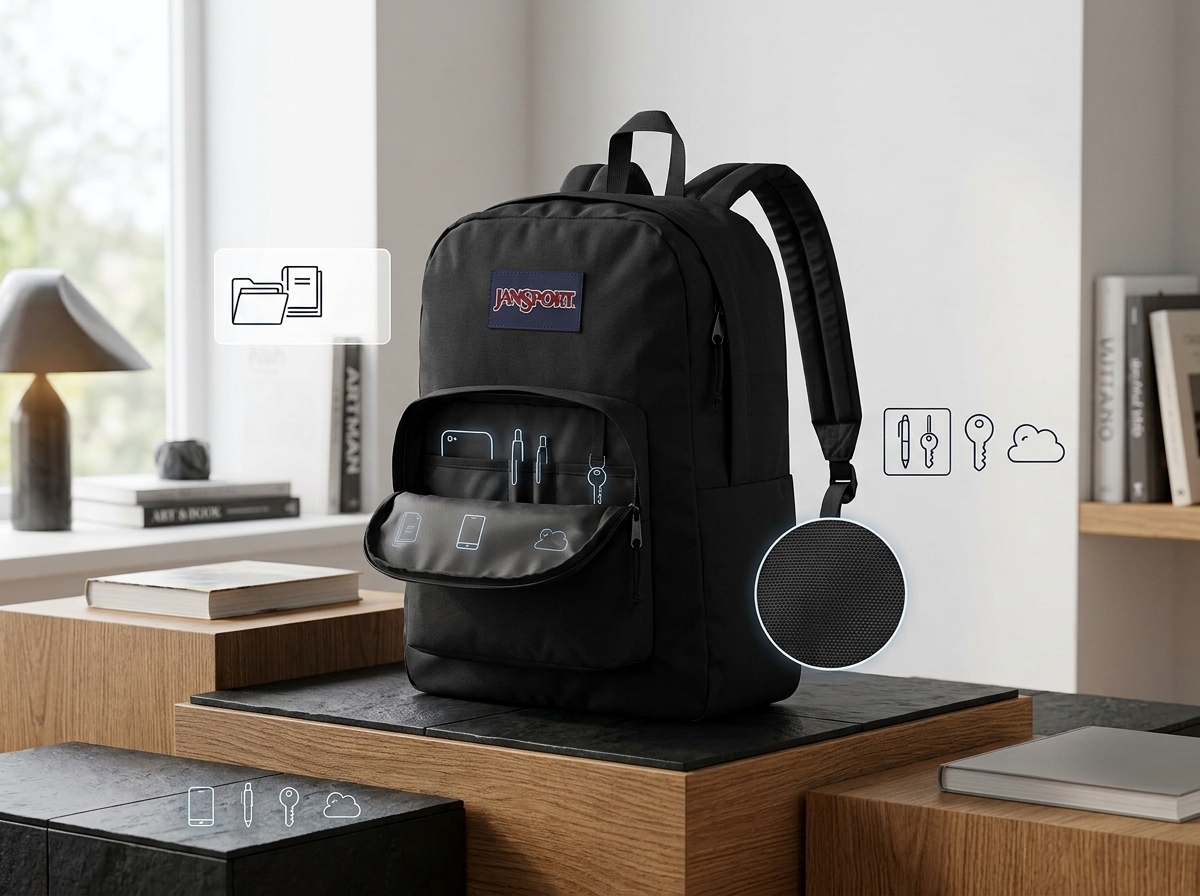
Complementing the main compartment is a front-facing utility pocket equipped with what the product describes as a built-in organizer. This smaller pocket serves as the secondary storage area and introduces the segmentation that the main compartment intentionally avoids.
In practical terms, a front utility pocket typically functions as your “quick access” zone. This is where many people keep items they need to reach frequently without opening the larger main compartment—things like keys, a phone, lip balm, or a small notebook. The built-in organizer suggests internal structure within this pocket, likely in the form of smaller divisions or slots designed to keep various small items separated and easy to locate.
The positioning of this pocket on the front of the bag matters. It means these items are accessible without removing the backpack, and it helps distribute weight slightly differently than if everything were loaded into the main compartment. For people who appreciate easy access to essentials, this becomes a meaningful feature rather than a minor addition.
Lightweight Construction
The descriptor “lightweight” applied to this backpack isn’t arbitrary. Backpack weight, particularly the empty weight before you’ve added your own belongings, affects how the bag feels throughout the day. A lighter backpack means less initial burden on your shoulders and back, which becomes increasingly important if you’ll be wearing it for extended periods.
This matters more for some people than others. A student carrying books all day, or a commuter with a long daily journey, will likely notice the difference between a heavy empty bag and a lightweight one. The cumulative effect of several pounds, multiplied across hundreds of days, is genuine and measurable—both in terms of physical comfort and long-term strain considerations.
Lightweight design typically comes from material choices and construction methods. A bag can be lightweight without being flimsy if those choices are made thoughtfully, which appears to be the case with this model.
Overall Aesthetic and Color Options
The black colorway mentioned in the product description represents the classic, versatile choice. Black backpacks have endured in popularity for decades because they work across contexts—they look equally appropriate in academic, professional, and casual settings. The neutral aesthetic means the bag doesn’t impose a particular style statement; instead, it tends to fade into the background, which many people appreciate.
The design philosophy appears to emphasize clean lines and straightforward aesthetics rather than elaborate visual elements. This contributes to its versatility and suggests it’s designed to be a workhorse tool rather than a fashion statement.
Design and Materials: Understanding Durability
Durability is one of the claimed strengths of this backpack, but it’s worth understanding what “durable” actually means in this context. Durability doesn’t mean a bag will last forever—all materials eventually wear—but rather that it’s built to withstand regular use over a reasonable timeframe without excessive degradation.
The materials used in backpack construction typically include a combination of outer fabrics, linings, zippers, and hardware. Each of these elements contributes to how long the bag remains functional and aesthetically acceptable.
Fabric durability depends on several factors: the weight and weave of the material, how it’s treated against water and wear, and how stress is distributed across the construction. A heavier fabric isn’t automatically more durable—a lightweight, tightly woven, high-quality fabric can outlast a heavy but loosely constructed one. JanSport’s long-standing presence in the market suggests they’ve developed understanding about which material combinations prove effective over time.
The seams are often where backpacks show signs of wear first. Quality construction in this area—stitching patterns, thread type, and how stress is managed—affects long-term performance. The zippers and other hardware also matter significantly. A backpack with premium zippers will typically outperform one with cheaper hardware, even if other elements are similar.
The linings of a bag affect both durability and functionality. They protect the outer material from internal stress and wear, distribute impact, and influence how items move within the compartments. A reinforced lining typically indicates greater attention to durability.
Understanding durability in practical terms: a durable backpack used daily for a couple of years should show only normal wear patterns—possibly some fading, perhaps minor abrading—without structural failures like zipper problems, seam separation, or fabric tears under normal use.
Storage Architecture: How Space Organizes Your Belongings
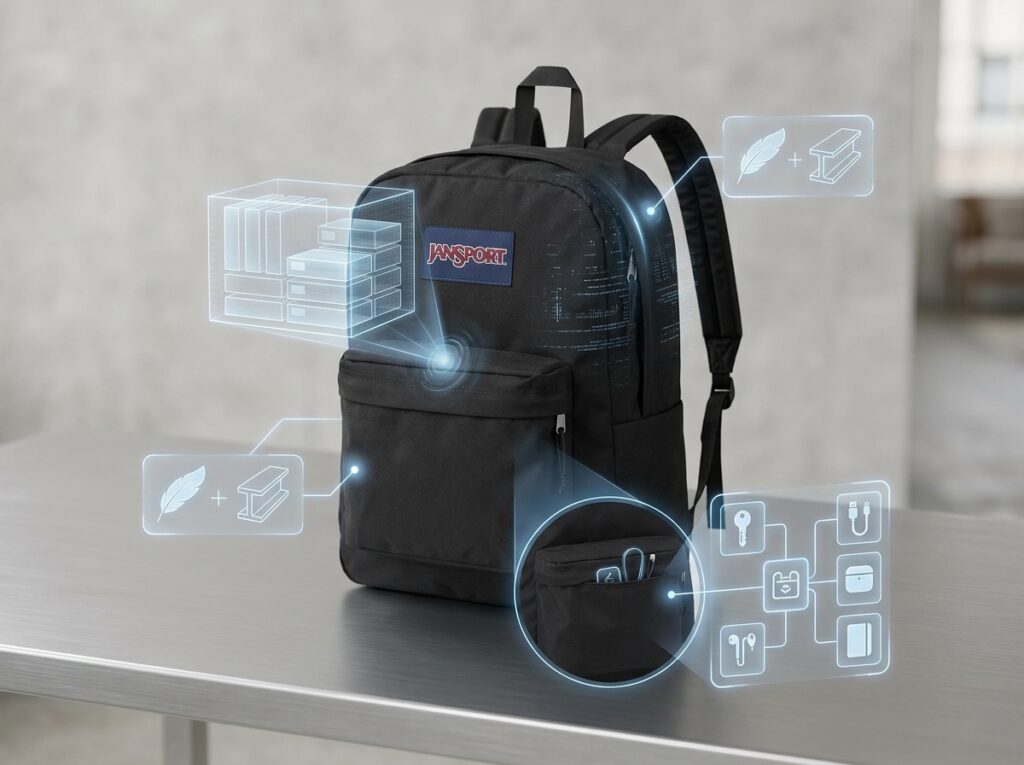
The storage configuration of any backpack fundamentally shapes how you interact with it. The SuperBreak One’s approach—one main compartment plus a front utility pocket—creates a particular storage philosophy worth examining.
The Psychology of Compartmentalization
When you open a backpack with multiple designated sections, you’re making unconscious organizational decisions. Your laptop goes in the laptop pocket, papers in the document slot, tech accessories in the electronics organizer. This can be remarkably efficient, especially if you consistently carry similar items.
The single main compartment approach requires more active organization. You decide where things go. Some people find this liberating; others find it requires more effort. There’s genuine validity to both perspectives—it’s a matter of personal working style rather than one approach being objectively superior.
The Front Pocket’s Practical Role
The front utility pocket with its built-in organizer becomes increasingly important when the main compartment is relatively open. It’s where intentional organization happens. The built-in dividers or slots suggest design consideration for items like pens, chargers, small electronics, and similar accessories.
From a practical standpoint, this pocket also represents the closest items to your hands when wearing the backpack. In terms of accessibility hierarchy, the front pocket is more accessible than the main compartment, making it ideal for items you’ll need to access without removing the bag.
Weight Distribution and Balance
How storage is organized affects how the backpack feels. A single main compartment can lead to uneven weight distribution if you’re not intentional about packing. Items concentrated on one side make the bag pull unevenly. With good packing habits—distributing weight relatively evenly across the bag’s width and height—this isn’t problematic. But it does require more awareness than a bag with structured internal divisions.
The front pocket, by its nature, places some weight toward the front and slightly lower on your back, which can actually improve overall balance if used appropriately.
How This Backpack Can Be Used
Understanding a backpack’s potential extends beyond simply knowing what pockets it has. It’s about recognizing the scenarios where its particular configuration actually works well.
Educational Contexts
For students, a single-compartment backpack with a utility pocket covers the essential needs for most school situations. Books, notebooks, and materials fit in the main compartment; pens, schedule cards, keys, and similar small necessities go in the front pocket. The lightweight design appeals to students who navigate multiple buildings and long campus days carrying their materials.
The straightforward design also simplifies daily packing routines, which matters when you’re balancing academic work with other obligations.
Professional and Commute Use
Professionals who need to carry work materials, tech devices, and daily necessities find similar advantages. The accessible front pocket works well for transit cards, phone, or a small notebook. The main compartment handles a tablet, documents, or a laptop (assuming it fits the dimensions), and personal items.
For commuters, the lightweight aspect becomes particularly relevant if you’re carrying the bag for extended periods—whether walking to transit, moving through offices, or navigating city streets.
General Daily Use
Beyond specific contexts, this backpack suits anyone who appreciates straightforward functionality. People who prefer simple, no-frills bags without elaborate feature sets often report that simplicity itself contributes to long-term satisfaction. There’s less to potentially break, fewer compartments that might end up empty or unused, and less mental complexity in the daily packing routine.
Creative and Flexible Use Cases
The single main compartment, while lacking predetermined structure, can accommodate diverse uses. Someone might use it for art supplies and materials one day and books or work projects another. The flexibility appeals to people whose daily carrying needs vary.
Travel and Day Trips
For shorter travels and day trips, this backpack’s size and weight make it practical. It’s compact enough to fit in overhead compartments or under airplane seats (depending on specific dimensions and airline policies), yet offers sufficient capacity for a day’s worth of materials.
Who Might Find This Backpack Suitable
Backpack selection is genuinely personal, but certain types of users tend to be more satisfied with this particular design approach.
Students, Particularly Those Valuing Simplicity
Students who want a reliable, straightforward bag without excessive features often appreciate this model. If your priority is getting materials to and from classes without complicated compartment systems, this design delivers exactly that.
Minimalist-Oriented Users
People who generally prefer simpler, more utilitarian designs—who resist feature bloat and unnecessary complexity—tend to be happiest with bags like this. The philosophy of “do one thing well” appeals to this mindset.
Weight-Conscious Carriers
Anyone concerned about the cumulative burden of their bag over daily or weekly use benefits from lightweight construction. This includes people with back concerns, long commutes, or simply anyone who dislikes the feeling of a heavy backpack.
Professionals in Casual Environments
Workers in creative industries, startups, educational institutions, and other environments where formal business attire isn’t standard often appreciate the understated aesthetic and practical functionality this backpack offers.
People with Consistent Packing Routines
If you pack similar items daily and have a established routine, the single main compartment won’t frustrate you. You’ll likely appreciate the flexibility and simplicity.
Budget-Conscious Buyers Seeking Reliable Quality
JanSport’s reputation and pricing strategy often position their products as offering good value—not the cheapest option, but thoughtfully priced for the quality delivered. This appeals to people making deliberate purchasing decisions rather than impulse buys.
Design Considerations: What to Think Through
Before assuming any backpack is right for you, it’s worth considering how its specific design choices align with your actual needs.
Size and Capacity Questions
A backpack’s capacity determines what you can realistically carry. The SuperBreak One appears to be designed as a medium-capacity bag—suitable for daily materials, books, or work items, but not a multi-day travel bag. If you consistently need to carry large quantities of materials or equipment, you might outgrow this bag. Conversely, if you carry minimal items, you might feel it’s larger than necessary.
The Main Compartment Trade-off
The single main compartment is simultaneously freeing and demanding. If you value pre-structured organization, you’ll need to adjust expectations or create your own organizational system using packing cubes or internal pouches. This isn’t a criticism of the design—it’s a different approach—but it’s important to recognize your own organizational preferences before committing to this design.
Laptop and Technology Accommodation
The specifications would indicate whether this bag comfortably accommodates a laptop or if it’s designed around smaller devices. This matters significantly if technology is a primary item you’re carrying. A bag designed without laptop consideration might technically fit your device but without adequate padding or protection.
Weather Protection
Most backpacks, particularly those with open main compartments, offer basic weather resistance but aren’t designed for heavy rain or immersion. If you regularly face severe weather, you’d want to understand the specific material properties and whether you’d need additional weather protection like a rain cover.
Durability in Your Specific Context
A backpack might be objectively durable but still not suited for your particular use case. If you tend to overstuff bags, drag them across rough surfaces, or use them in harsh environments, even durable construction has limits. Matching durability claims to your actual usage patterns is important.
Understanding Backpack Categories and General Comparisons
To contextualize where this backpack fits, it’s useful to understand how different backpack categories function.
Minimalist Backpacks
The most stripped-down backpack category focuses on core functionality with minimal features. These bags typically have limited pockets and emphasize clean lines and lightweight construction. The SuperBreak One aligns somewhat with minimalist philosophy through its single main compartment, though the utility pocket gives it slightly more structure than true minimalist designs.
School and Study Backpacks
Designed specifically for student use, these bags typically prioritize capacity for books and materials, often including organizational features suited to academic materials like document pockets or pen loops. The SuperBreak One’s straightforward design suits academic use, though it may lack some specialized organizational features found in bags designed explicitly for students.
Technical or Organizational Backpacks
These emphasize numerous pockets, compartments, and specialized storage for tech devices, cables, and similar items. They represent the opposite end of the spectrum from minimalist designs. For people wanting detailed organization, these offer built-in structure; for people finding them complex, they might feel overengineered.
Travel Backpacks
Spanning a range of sizes, travel backpacks are designed for carrying belongings across days or weeks. They emphasize weight distribution, often include weather protection, and usually have substantial capacity. Most day-use backpacks, including this model, serve as smaller versions designed for shorter timeframes.
Hybrid or Lifestyle Backpacks
Many modern backpacks blur category lines, combining elements of different approaches. The SuperBreak One’s general positioning suggests a lifestyle backpack—designed to work across multiple daily contexts without specializing too heavily in any single use case.
Frequently Asked Questions
What size is the SuperBreak One, and how much can it hold?
The specific dimensions and capacity would determine how this question is answered. Generally, backpacks are sized by volume (measured in liters) or by linear dimensions. Understanding the exact measurements and capacity helps you assess whether it meets your carrying needs for typical daily materials.
Is this backpack suitable for air travel?
Depending on dimensions, many day-use backpacks can fit in airplane overhead compartments or as personal items. You’d want to verify specific measurements against airline requirements for your typical flights.
Does it come with a laptop sleeve or protective technology compartment?
The information provided focuses on a main compartment and front utility pocket. Whether either includes specialized laptop protection would depend on construction details. Some users add protective sleeves or pouches independently if needed.
How do you clean and maintain this backpack?
Most durable backpacks can be wiped clean with a damp cloth for surface dust and spills. For deeper cleaning, specific recommendations depend on the material composition. Typically, handwashing with mild soap and air drying is safer than machine washing, which can damage zippers and seams.
Is it water-resistant or waterproof?
These are different properties. Water-resistant means it resists water to some degree but isn’t completely waterproof. Most backpack materials fall in the water-resistant category rather than being fully waterproof. Understanding this distinction helps set realistic expectations about weather protection.
What warranty or guarantee comes with this backpack?
This varies based on seller and specific purchase conditions. JanSport typically stands behind their products, but warranty details would be found in product documentation or through their customer service.
Can you carry this backpack on your front or in different positions?
Most backpacks are designed for back carrying, but the shoulder straps might allow front carrying if needed (though this isn’t the intended use and can be uncomfortable). The actual comfort and practicality depend on the bag’s design and your body size.
How does this compare to other backpack brands in this category?
The backpack market includes numerous established manufacturers with different philosophies. Comparing specific features, materials, durability records, and design approaches across several options helps identify which brand’s approach aligns with your preferences.
Is this backpack suitable for outdoor activities or hiking?
Most day-use backpacks aren’t specifically designed for hiking or serious outdoor activities. They lack features like hydration pack compatibility, specialized weight distribution systems, or robust weather protection found in dedicated outdoor backpacks. They work for casual outdoor outings but aren’t optimized for rugged use.
Conclusion
The JanSport SuperBreak One represents a particular approach to backpack design: emphasizing simplicity, lightweight construction, and reliable functionality over elaborate features and specialized compartments. This design philosophy appeals to certain users while not being ideal for others—which is simply the nature of product design rather than a limitation of the backpack itself.
Whether this backpack makes sense for your needs depends on your priorities: Do you appreciate straightforward functionality? Does lightweight design matter in your daily context? Do you prefer flexible, unstructured storage or benefit from predefined compartments? Would a neutral aesthetic fit your lifestyle and aesthetic preferences?
These questions don’t have universal answers, which is why careful consideration of how your specific needs align with what a product offers leads to better purchasing decisions than relying on abstract claims about quality or popularity.
If you’re considering a backpack for daily use in academic, professional, or casual contexts, and straightforward design appeals to you, this model might warrant closer examination. Understanding your own needs and preferences—and then matching those to a product’s actual features—creates the foundation for finding gear that genuinely serves you well over time.